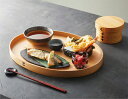
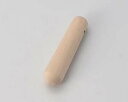
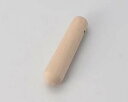
桧・物相型〈末広〉 20-037-03(06201) 内寸約11.5×5.5×H3cm ※飯米約170g分 季節の花や縁起のモチーフをご飯としてかたどり、お客様をもてなす。 物相(もっそう)は食膳で料理を華やかに演出する名脇役でもあります。 物相の起源は今から約1200年前の平安時代とされ、当時貴族の食卓にはご飯を持ったご飯を"おもの"と呼ばれていました。 山盛りにしたご飯の"おもの"の周りには山菜を中心とした小皿が並べられました。 小皿料理の事を"おまわり"と称し、小皿の数が多いほど豪華であるとされ、後に"おかず"として名が浸透してゆきました。 物相(もっそう)は料理であるおかずを、楽しんでいただく現代の形へと変化し、 おもてなしの心を持つ日本料理のひとつとして進化してきたんですね。 桧(ひのき)は檜という字にもあてられ、古くから日本人に愛されてきた針葉樹です。 防虫効果・抗菌作用にも優れていて、雑菌が繁殖しにくいといった特徴があります。 Seasonal flowers and auspicious motifs are made into rice to entertain guests. Mosso is also a great supporting actor that adds a touch of glamour to the meal. Mosso originates from the Heian period, about 1200 years ago, when rice served on the nobles' tables was called "omono". Small plates of wild vegetables were arranged around the heaped rice "omono". Small plate dishes were called "omawari", and the more small plates there were, the more luxurious the dish was. Later, the name "okazu" (side dishes) spread. Mosso has evolved into its modern form of enjoying side dishes, and has evolved into a Japanese dish with a spirit of hospitality. Hinoki (cypress) is also written as hinoki, and is a coniferous tree that has been loved by Japanese people since ancient times. It also has excellent insect repellent and antibacterial properties, making it difficult for germs to grow. .[ 桧 ひのき 檜 ヒノキ 物相型 物相飯 型 型枠 お弁当 抜型 料理 和食 和風 懐石 日本料理 木製 ]. 【 用美 ヤマコー 】【 業務用 厨房 店舗 旅館 施設 接客 飲食店 調理用 料理道具 専門店 キッチンガーデン 】 〜和風 食器 和食 料理の器 道具 和ごころセレクト/Japan Taste〜 和食器で食のおもてなし
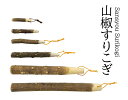
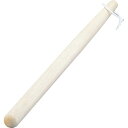
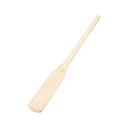
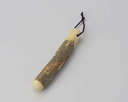
【商品のご案内】 約23.5cm 山椒はミカン科サンショウ属の落葉低木樹で、日本では古くから実や葉を調味食用として親しまれてきました。 春には木の芽として料理を彩る飾りとして、たけのこ料理や煮物に添えて香りと風味を楽しんでいただくおもてなしの心が表現されています。 独特の香り高い山椒は夏になると実をつけ、煮もの料理などに使われてきました。 京都ではちりめん山椒などが人気ですね。 そうした山椒の木を使っているのが、山椒すりこぎ棒。 ほのかに香る山椒すりこぎは食材に風味のアクセントを加え、食す人の感性を刺激します。 防腐効果があるともされ、保存技術の無かった時代からの日本人の知恵が山椒すりこぎには秘められているのです。 Sansho is a deciduous shrub of the Rutaceae family, and its fruit and leaves have long been used as a seasoning in Japan. In spring, it is used as a garnish to decorate dishes as buds, and is an expression of hospitality when it is added to bamboo shoot dishes or simmered dishes to enjoy its aroma and flavor. Sansho, which has a unique fragrance, bears fruit in summer and has been used in simmered dishes. In Kyoto, dried sansho pepper is popular. Sansho pestle sticks are made from the wood of this plant. The faintly fragrant sansho pestle adds a flavor accent to ingredients and stimulates the senses of the eater. It is also said to have an antiseptic effect, and the sansho pestle embodies the wisdom of the Japanese people from a time when there was no preservation technology. 【 業務用 厨房 店舗 旅館 施設 接客 飲食店 調理用 料理道具 専門店 キッチンガーデン 】 〜和風 食器 和食 料理の器 道具 和ごころセレクト/Japan Taste〜 和食器で食のおもてなし
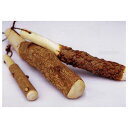
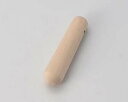
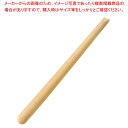
【商品のご案内】 約43cm 山椒はミカン科サンショウ属の落葉低木樹で、日本では古くから実や葉を調味食用として親しまれてきました。 春には木の芽として料理を彩る飾りとして、たけのこ料理や煮物に添えて香りと風味を楽しんでいただくおもてなしの心が表現されています。 独特の香り高い山椒は夏になると実をつけ、煮もの料理などに使われてきました。 京都ではちりめん山椒などが人気ですね。 そうした山椒の木を使っているのが、山椒すりこぎ棒。 ほのかに香る山椒すりこぎは食材に風味のアクセントを加え、食す人の感性を刺激します。 防腐効果があるともされ、保存技術の無かった時代からの日本人の知恵が山椒すりこぎには秘められているのです。 Sansho is a deciduous shrub of the Rutaceae family, and its fruit and leaves have long been used as a seasoning in Japan. In spring, it is used as a garnish to decorate dishes as buds, and is an expression of hospitality when it is added to bamboo shoot dishes or simmered dishes to enjoy its aroma and flavor. Sansho, which has a unique fragrance, bears fruit in summer and has been used in simmered dishes. In Kyoto, dried sansho pepper is popular. Sansho pestle sticks are made from the wood of this plant. The faintly fragrant sansho pestle adds a flavor accent to ingredients and stimulates the senses of the eater. It is also said to have an antiseptic effect, and the sansho pestle embodies the wisdom of the Japanese people from a time when there was no preservation technology. .[ 山椒 すりこぎ 山椒すりこぎ棒 すりこぎ棒 さんしょう ]. 【 用美 ヤマコー 】【 業務用 厨房 店舗 旅館 施設 接客 飲食店 調理用 料理道具 専門店 キッチンガーデン 】 〜和風 食器 和食 料理の器 道具 和ごころセレクト/Japan Taste〜 和食器で食のおもてなし